

History
Sorrel Leaf Healing Center is a 501(c)(3) nonprofit rooted in community, created to bring a different kind of mental health care to youth in Northern California. Our story initially began in 2020 in Eureka, when local pediatrician Dr. Evan Buxbaum witnessed a heartbreaking gap in care as a teenager came to his office after waiting days in the emergency room following a suicide attempt. Instead of receiving immediate care close to home, she was sent far away from her family to a psychiatric facility in San Francisco. There, she experienced a cold, clinical environment, was placed on a psychiatric hold, treated primarily with medication, and discharged just a few days later, not feeling any better.
He knew there had to be a better way. No young person in crisis should have to leave their community or be separated from the people who care about them most in order to receive help. From that moment, Sorrel Leaf was born out of a shared commitment to create something different for youth and families in Humboldt County and other rural communities across Northern California that do not have the level of resources for mental health that other areas of California have.
What started as an idea quickly grew into a community-driven effort. With the support of local partners, local tribes, foundations, and state funding through programs like the California Health Facilities Financing Authority (CHFFA) and the Behavioral Health Continuum Infrastructure Program (BHCIP), we set out to build a place of healing. After a long and often challenging search, we found our home on a beautiful 13-acre property in Eureka, surrounded by forest, open pasture, and a peaceful wetland pond. This land reflects the kind of environment we believe supports true healing, one that is calm, connected to nature, and far from institutional.
Over the next few years, we laid the foundation for the center by forming our Cultural Council to help guide culturally grounded care. As the vision grew, it became clear that strong clinical and operational leadership would be essential to bring it fully to life. A new Executive Director was brought on to lead the next phase of building the operational framework of the organization, overseeing the construction of the campus, licensing, clinical program design, and the hiring of a dedicated team.
Today, Sorrel Leaf stands on the edge of opening its doors soon, with a clear mission to provide youth in crisis with care that is warm, culturally responsive, and whole-person centered. Our approach goes beyond stabilization. We aim to create a space where young people feel safe, seen, and supported, not just in moments of crisis, but in their path toward healing and connection through a re-creation of a sense of belonging, confidence, independence, generosity, and purpose.
We are here because our community asked for something better, and together, we are building it.
Our Journey
Caring For the Land Today and Tomorrow
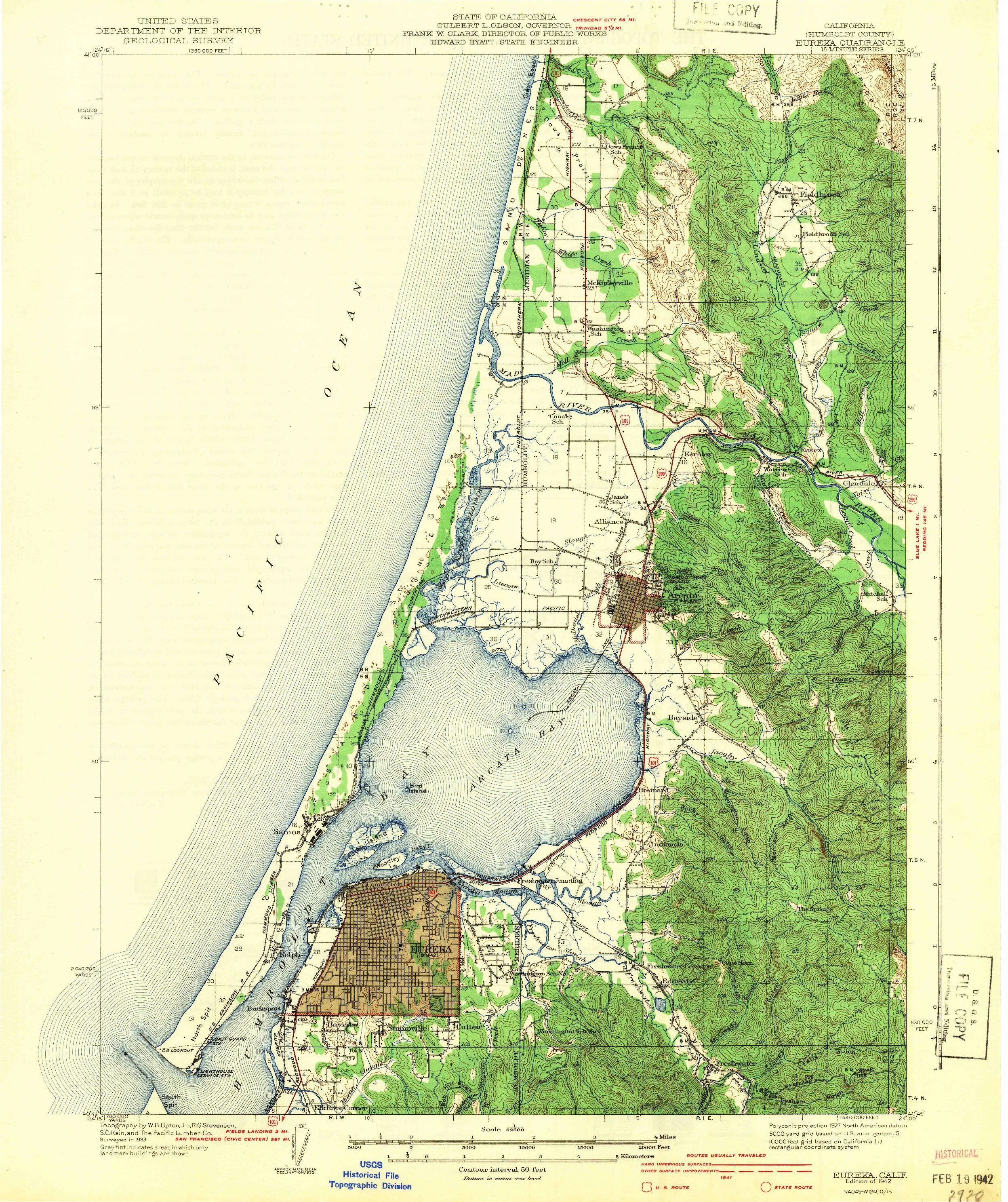
The history, geology, hydrology, and biological conditions provide the foundation for understanding the land Sorrel Leaf cares for.
The stories of Wiyot stewardship, settler transformation, ecological shifts, and ongoing change shape both the challenges and possibilities of healing the landscape today.
Recognizing how past land uses altered soils, plant communities, hydrology, and habitat helps guide what support the land needs now and how to do so with respect and intention.